A New Way to Understand Weight

Your body isn't
failing you.
It's signalling you.

Obesity is not a character flaw or a failure of discipline. It is a complex metabolic condition — and understanding it is the first step to changing it.

Scale of the problems in INDIA
1 in 4
Indian adults live with obesity — a number that has tripled in a decade
13+
Organs affected by excess metabolic fat
80%
Regain weight after dieting alone
↓ 5–10%
Weight loss needed to improve blood sugar, blood pressure & cholesterol

What doctors are recognizing today?

4 min
Dr. Amirtha Mehta
Endocrinologist & Metabolic Specialist
6 min
Dr. William Syal
Bariatric & Obesity Medicine Physician
5 min
Dr. Amirtha Mehta
Clinical Nutritionist & Weight Specialist

Obesity starts in the brain,
not just the plate.

Your weight is regulated by hormones, genes, gut bacteria, sleep, stress, and more — not just how much you eat. Here is what is actually going on.
🧠
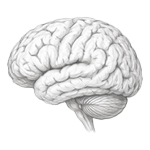
Your brain controls hunger — and it can malfunction

A region called the hypothalamus acts like a fuel gauge. In obesity, this gauge becomes "resistant" to signals like leptin and insulin, causing the brain to constantly feel underfuelled — even when fat stores are full. This is biology, not willpower.
⚙️
Excess fat acts like a hormone factory

Fat stored around the abdomen and liver is metabolically active tissue. It releases inflammatory signals, disrupts insulin, raises blood pressure, and interferes with how every organ in your body works.

🔄
Your metabolism adapts to protect weight — not lose it

When you restrict food, your body slows metabolism, increases hunger hormones, and becomes more efficient at storing fat. This is an evolutionary survival mechanism — not a personal failing.
🧬
Genetics, gut health and sleep all play a role

Over 200 genes are linked to weight regulation. Gut bacteria influence how calories are absorbed. Poor sleep raises ghrelin (the hunger hormone) by up to 30%. Your body's weight set-point is shaped by factors well beyond food choices.


What you have been told — and what science actually says.

Misinformation about obesity causes more harm than most people realise. Let us set the record straight.

❌ The Myth

"Just eat less and move more. It is that simple."

✓ The Reality

Caloric balance is real, but obesity changes how your body responds to it. Hunger hormones, a slower metabolic rate, and altered brain chemistry mean the equation is fundamentally different for someone living with obesity.

❌ The Myth

"Obesity is a lifestyle choice — you got yourself into this."

✓ The Reality

Major medical organisations worldwide now classify obesity as a chronic disease with biological, genetic, and environmental drivers. Stigma and shame are not treatments — they make outcomes worse.

❌ The Myth

"You just need more discipline and motivation."

✓ The Reality

Sustained weight loss requires addressing the underlying metabolic dysfunction. Modern treatments — dietary therapy, medications, and surgery — work with biology, not against it.

❌ The Myth

"Weight regain means you failed."

✓ The Reality

Weight regain is an expected biological response — your body actively defends its previous weight through hormone changes. Maintenance requires ongoing support, like any other chronic condition.

Why your body holds onto weight

Multiple biological systems work together to defend your current weight. Understanding them is the first step to working with — not against — your body.

🌙 Sleep

Poor sleep raises ghrelin — the hunger hormone — by up to 30% and lowers leptin, making overeating biologically difficult to resist even with strong willpower.

Cortisol

Chronic stress floods the body with cortisol, promoting abdominal fat storage, driving cravings for calorie-dense foods, and disrupting insulin sensitivity over time.

📡 Leptin

When leptin resistance develops, the brain stops receiving "fullness" signals — hunger persists even when your energy stores are more than sufficient for your body's needs.

Insulin

Resistance causes blood sugar spikes and drives fat storage, creating a self-reinforcing metabolic cycle.

Gut Biome

Trillions of gut bacteria influence calorie absorption, fat storage patterns, and hunger signals sent to the brain.

Set Point

Your body defends a biological weight range — adjusting metabolism and hormones to return to it after any loss.

Genetics

Over 200 genes are linked to weight regulation, appetite control, fat storage patterns, and resting metabolic rate.

Inflammation

Low-grade chronic inflammation from visceral fat disrupts hormonal signals and makes weight management harder.

Adipokines

Fat tissue secretes hormones that regulate appetite and insulin sensitivity, shifting balance in obesity.

Key terms to understand your diagnosis.

These are the concepts your doctor may refer to — explained simply, without the jargon.

Insulin Resistance

Cells stop responding normally to insulin, raising blood sugar and driving weight gain over time.

Visceral Fat

Deep organ fat that releases inflammatory signals and raises risk for heart disease and diabetes.

Leptin

The fullness hormone — in obesity the brain stops receiving this signal, so hunger persists even when stores are full.

Ghrelin

The hunger hormone that rises after dieting, making the body fight to regain lost weight through stronger appetite signals.

Weight Set Point

A biological weight range your body actively defends by adjusting metabolism and hunger hormones after any loss.

Adipokines

Chemicals secreted by fat tissue that regulate appetite and inflammation, shifting toward more harmful signals in obesity.

There is no single right path — but there is one for you.

Modern obesity care is personalised. What works depends on your biology, your health history, and your goals — not a one-size-fits-all plan.

01
Medical Nutrition Therapy

Evidence-based dietary changes tailored to your metabolic profile — not generic diets. Focuses on hormonal balance and sustainable habits.

02
Medical Management

Medications that work with your body's hunger and satiety signals. New-generation GLP-1 therapies represent a genuine shift in what is possible.

03
Bariatric & Metabolic Surgery

For severe obesity or complications, surgery achieves significant sustained weight loss — often resolving diabetes and hypertension entirely.

04
Behavioural Support

Cognitive therapy, motivational support, and stress management are not optional — they are core to long-term success in obesity care.

05
Physical Activity as Medicine

Structured movement improves insulin sensitivity, mood, and cardiovascular health — even before significant weight loss occurs.

Things people newly diagnosed often ask.

No — it means dieting alone was not the right tool. Weight regain after dieting is a biological response, not a personal failure. Modern medical treatment addresses the hormonal and metabolic drivers that make weight regain so predictable. Many people who struggled for decades find lasting success with a structured, medically supervised approach.
Like all medications, obesity treatments have a benefit-risk profile that your doctor will assess for you individually. New-generation medications have strong safety data from large clinical trials. The risks of untreated obesity — diabetes, heart disease, fatty liver, joint disease — are well documented and significant.
Meaningful health benefits begin at 5–10% of body weight. Sustainable rates of loss are 0.5 to 1 kg per week with structured treatment. Rapid loss is not always better — slower, sustained loss with appropriate support leads to better long-term outcomes.
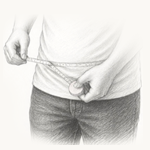
Yes — this is called metabolically unhealthy normal weight. People with normal BMI can have high visceral fat, insulin resistance, and metabolic risk. Waist circumference, blood tests, and body composition assessment give a fuller picture than weight alone.
Significantly. South Asians have a higher genetic predisposition to insulin resistance and develop metabolic complications at lower BMI thresholds than Western populations. A family history of diabetes, heart disease, or obesity raises your risk — a reason to seek earlier, proactive care.
Begin Here

Understanding is the first root.

You now know more than most people do about what obesity actually is. The next step is getting the right support — care that treats the condition, not just the number on the scale.

Consult a Doctor Read More